.png)
Choosing the Right Brush for Your Horse Mane, Tail, Face and Shine

A good grooming kit does more than make a horse look polished. The right brush can lift dust before it turns into skin irritation, loosen dried mud without pulling hair, bring natural oils to the surface, and make daily handling calmer for both horse and rider.
The wrong brush can do the opposite. It can scratch sensitive skin, break tail hairs, tire your hand, or turn grooming into a wrestling match. That is why “What brush should I use?” is not a small question. It depends on the part of the horse, the type of dirt, the season, and even how the brush feels in your hand.
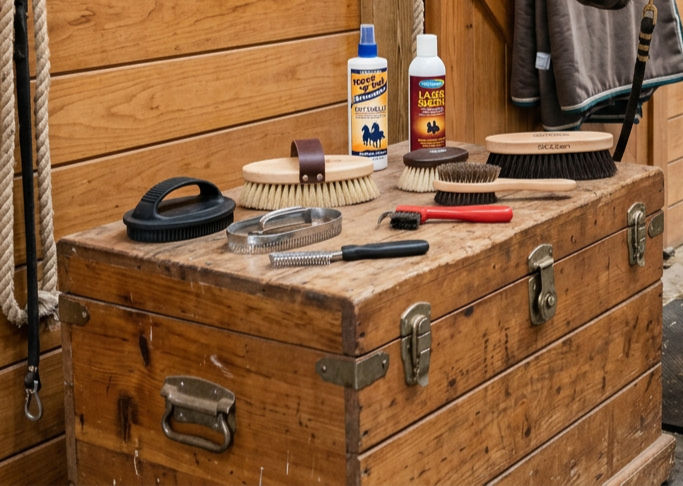
Start with the job the brush needs to do
Most grooming problems fall into a few simple categories:
Removing loose hair
Lifting dust and dandruff
Breaking up mud or dried sweat
Smoothing the coat
Detangling the mane and tail
Cleaning sensitive areas like the face
Adding shine for turnout, lessons, shows, or everyday care
No single brush does all of that well. A stiff brush that clears mud from a winter coat may feel too harsh on the face. A soft finishing brush that gives a sleek shine will not do much against caked-on dirt. A plastic mane and tail brush may glide through conditioned hair, but it can snap dry tail strands if used too aggressively.
Think of grooming tools as a sequence. Start with the tool that loosens debris, then use the tool that removes it, then finish with the tool that smooths and shines.
Brushes for the body need the right balance of grip and grit
The horse’s body takes the most work. This is where you deal with sweat marks, pasture dust, loose winter hair, mud, and the everyday grime that settles under a saddle pad or girth.
Curry combs loosen what other brushes cannot
A curry comb is often the first tool to reach for on the body. Rubber curries are especially useful because they lift dirt, shed hair, and dead skin without being as sharp as metal tools. Use small circular motions on fleshy areas such as the neck, shoulder, barrel, and hindquarters.
A curry comb does not truly remove all the dirt by itself. It brings dirt and hair to the surface so the next brush can sweep it away.
Use a curry comb for:
Loose hair during shedding season
Dried sweat after a ride
Dust trapped under the coat
Light mud on the body
Massage and circulation support during routine grooming
Avoid using a firm curry over bony or sensitive spots, such as the face, spine, hips, and lower legs. For thin-skinned horses, choose a softer rubber curry or grooming mitt.
Stiff brushes are for dried mud and stubborn debris
A stiff-bristled brush, sometimes called a dandy brush, is made for the dirt that refuses to come loose. It is a good choice for dried mud, bedding shavings, field dust, and debris stuck in a heavier coat.
Use short, flicking strokes in the direction of hair growth. The motion matters. A stiff brush works best when it lifts dirt up and away rather than scrubbing it deeper into the coat.
A stiff brush is helpful on:
Muddy legs
Thick winter coats
Heavy dirt on the neck or belly
Dried debris from turnout
Horses that roll often
Do not use a stiff brush on the face unless it is made specifically for sensitive areas. Skip it on clipped horses if the skin seems tender. Watch your horse’s reaction. A swishing tail, pinned ears, or stepping away can mean the brush is too rough for that area.
Medium and soft body brushes finish the job
After the curry and stiff brush do the heavy lifting, a medium or soft body brush removes finer dust and smooths the coat. These brushes often have denser bristles that pick up powdery dirt and spread the coat’s natural oils.
A soft body brush is also useful before tacking up. Dirt left under the saddle, girth, or breastcollar can rub the skin. Even a small patch of grit can become uncomfortable once the horse starts working.
For a cleaner finish, wipe the brush against a curry comb every few strokes. This clears trapped dust from the bristles instead of spreading it back across the coat.

Mane and tail tools should detangle without breaking hair
The mane and tail need a gentler plan than the body. Tail hair grows slowly, and rough brushing can cause breakage that takes a long time to repair. A full, healthy tail is usually the result of patience more than force.
Use your fingers before the brush
Before using a comb or brush, separate large tangles by hand. Work from the bottom of the tail upward. Hold the hair above the knot so you do not pull directly on the dock or crest.
This simple habit protects the roots and keeps grooming more comfortable. It also helps you find burrs, sticks, shavings, and dried mud before a brush tightens them into a worse knot.
Choose the right mane and tail brush
Mane and tail brushes usually have spaced bristles or flexible pins. They should move through hair without grabbing too hard. Some riders prefer wide-tooth combs for manes and flexible paddle brushes for tails.
A good mane and tail brush should:
Fit comfortably in your hand
Have smooth bristle tips or rounded pins
Move through conditioned hair with little drag
Be sturdy enough for thick tails
Avoid sharp seams or rough edges
Brush in small sections. Start at the ends, then move higher as each section clears. If you begin at the top and drag down through knots, the brush pushes tangles together and increases breakage.
Detangling products make a real difference
Mane and tail detanglers are made to add slip, reduce friction, and help separate knots. Many come as sprays. Some are silicone-based, which can leave hair slick and shiny. Others use conditioning ingredients for a softer feel.
Use detangler on clean or lightly dusty hair, then give it a moment to settle before brushing. For a very tangled tail, spray lightly, work with fingers, spray again if needed, and brush from the bottom.
A few practical tips:
Do not soak the tail until it is dripping. Too much product can attract dust.
Avoid spraying directly near the horse’s eyes or nose.
Check show rules if you compete, since some products may make reins, saddle areas, or braided manes slippery.
Keep detangler away from the saddle area, where slick hair can affect tack stability.
For everyday care, you do not need a glossy show-ring finish every time. The goal is hair that is clean, comfortable, and free of painful knots.
Face brushes should be soft, small, and easy to control
The face needs special care. The skin is thinner, the bones are closer to the surface, and the horse may be sensitive around the eyes, muzzle, ears, and jaw.
A face brush should be soft enough that you would not mind brushing it across the inside of your wrist. Smaller brushes are easier to guide around delicate areas. Some horses like a soft goat-hair style brush. Others prefer a soft synthetic brush or grooming mitt.
Use slow, light strokes. Work around the cheeks, forehead, and jaw. For dust near the eyes, use a clean, damp cloth rather than a bristly brush. Keep a separate cloth or sponge for the face, and do not use the same one for the dock or sheath.
Face tools to keep in the kit include:
A soft face brush
A clean towel
A damp sponge or cloth
A small rubber grooming mitt for tolerant horses
A separate cloth for nostrils if needed
If a horse raises its head, tightens its lips, or turns away every time the face brush appears, slow down. Groom a less sensitive spot first, then return to the face with lighter pressure. Comfort builds trust.


The rider’s comfort matters more than it seems
A brush that is hard to hold will not get used well. Grooming can take time, especially during shedding season or after a muddy turnout day. If the tool cramps your fingers or slips when dusty, your strokes become rushed and uneven.
Look for brushes with:
A comfortable back that fits your palm
A secure strap or grippy handle
A size that matches your hand
A weight that feels balanced
Bristles that suit the task without needing extra force
People with smaller hands may prefer narrower brushes or those with adjustable straps. Riders with wrist soreness may like grooming gloves, flexible mitts, or ergonomic curry combs. A brush should let your hand stay relaxed while the tool does the work.
Hand comfort also affects the horse. When you grip too tightly, you often press harder than needed. A relaxed hand can follow the horse’s shape and notice changes in the coat, skin, or muscle tone.
Match the brush to the horse’s coat and sensitivity
A thick-coated pasture horse and a clipped show horse do not need the same brushing pressure. A gray horse that shows every stain might need more stain removal. A thin-skinned Thoroughbred may dislike a stiff brush that a fuzzy pony enjoys.
Use the horse’s coat as your guide.
Coat or condition | Best tool to start with | What to avoid |
Heavy winter coat with mud | Rubber curry, then stiff brush | Hard pressure over bony areas |
Sleek summer coat with dust | Soft curry, then medium body brush | Overusing stiff bristles |
Clipped coat | Soft body brush or grooming mitt | Scratchy curries and harsh strokes |
Sensitive skin | Soft rubber curry, soft brush | Metal tools or aggressive scrubbing |
Shedding coat | Shedding blade used carefully, rubber curry | Pulling hair near face or legs |
Show-ready coat | Soft finishing brush, towel, shine product | Slick sprays under tack |
A shedding blade can be helpful when a horse is dropping a heavy coat, but use it with care. Many are too harsh for the face, legs, or sensitive horses. Rubber curries and shedding blocks can be gentler choices, depending on the coat.
Products can help detangle, brighten, and add shine
Brushes do the main work, but grooming products can help when used thoughtfully. Use ONLY products that are approved for use on horses. The goal is to support the coat, not cover up poor grooming.
Detanglers help protect long hair
As covered above, mane and tail detanglers reduce friction. This can prevent breakage and make grooming less stressful. They are especially useful after washing, during dry weather, or when tails collect shavings and burrs.
For best results, apply lightly and brush only after knots have softened.
Coat conditioners add polish
Coat conditioners and shine sprays can give the body a smooth finish. They are often used before shows, clinics, photos, or special events. Some sprays help repel dust for a short time, which can be useful before turnout or travel.
Use shine products carefully. Do not apply slick sprays where tack sits, including the saddle area, girth area, or under boots. A shiny coat is not worth slipping tack.
Stain removers and whitening products target problem spots
Gray horses, paints, and horses with white socks often need extra help. Stain removers and whitening shampoos can lift manure stains, grass marks, and yellowing. Follow label directions and rinse well when using wash products.
Daily brushing still matters. Stains are easier to handle when dirt does not sit in the coat for days.
Towels are underrated
A clean towel can bring up shine after brushing. Wipe in the direction of the coat to remove the last layer of dust. A damp towel can freshen the coat before a ride, while a dry towel can polish after a finishing brush.
Build a simple grooming order that works every day
A good routine does not need to be complicated. The order below works for most horses and can be adjusted for season, weather, and sensitivity.
Pick the hooves
Start with safety and soundness. Remove stones, packed mud, and bedding from each hoof.
Loosen dirt on the body
Use a rubber curry or grooming mitt on the neck, body, and hindquarters. Skip sensitive or bony areas if the tool is too firm.
Remove mud and hair
Use a stiff brush where needed, especially on legs, thick coats, or muddy patches.
Sweep away dust
Follow with a medium or soft body brush. Clean the brush often as you work.
Groom the face gently
Use a soft face brush or damp cloth. Keep movements calm and controlled.
Detangle the mane and tail
Start with fingers, add detangler if needed, and brush from the ends upward.
Finish the coat
Use a soft finishing brush or towel. Apply shine spray only where it is safe and useful.
This routine can take five minutes for a clean horse or much longer after turnout in wet weather. The point is to work from rough cleaning to fine finishing, using the least force needed.
Keep brushes clean so they can do their job
A dirty brush cannot clean a horse well. Dust, oil, sweat, fungus, and loose hair build up in grooming tools. If brushes smell sour or leave grime behind, they need washing.
Shake out loose hair often. Tap brushes against a curry comb during grooming. Wash brushes with mild soap and warm water when needed, then rinse thoroughly and let them dry bristle-side down or in a well-ventilated spot.
Do not share brushes between horses with skin issues. If a horse has rain rot, scratches, ringworm, or unexplained hair loss, use separate tools and ask a veterinarian for guidance.
The best brush is the one that fits the horse, the task, and the hand
Choosing grooming tools is not about owning every brush in the tack shop. It is about knowing what each tool does well.
A curry loosens hair and dirt. A stiff brush tackles stubborn mud and debris. A soft body brush removes dust and brings out shine. A mane and tail brush detangles with care. A face brush protects sensitive areas. Detanglers, conditioners, towels, and shine sprays add the finishing touch when the basics are already done.
Pay attention to the horse’s response and to your own hand comfort. If the horse relaxes, the coat gets cleaner, and your hand does not ache halfway through the job, you are using the right tool for the moment. Grooming becomes easier, the horse looks better, and the daily routine turns into one of the best chances to notice, connect, and care.


Comments